

Veterinary Medicine Distribution in Emerging Markets
Emerging markets are creating new opportunities for animal health companies as livestock production, poultry farming, aquaculture, and veterinary services continue to develop. From Southeast Asia to Africa and the Middle East, farmers and distributors need dependable access to veterinary medicines, nutritional products, and practical animal healthcare solutions. In this changing environment, veterinary medicine distribution is more than moving products from manufacturers to customers. It requires reliable supply chains, regulatory awareness, appropriate storage, clear product information, and strong relationships with local partners.
For manufacturers and exporters such as VietPhavet, understanding the needs of emerging markets can help build sustainable business partnerships and expand access to veterinary products. Successful distribution begins with understanding local farming conditions, identifying genuine market demand, and selecting products that comply with destination-country requirements.

Growing demand for animal protein, improvements in farming technology, and increasing attention to animal health are creating opportunities across developing economies. Poultry and livestock producers need access to products that support disease management, responsible treatment, nutritional support, and farm biosecurity. Aquaculture businesses also require products suitable for their production systems and local regulations.
Effective veterinary medicine distribution helps connect manufacturers with importers, wholesalers, veterinary pharmacies, farm supply stores, veterinarians, and livestock producers. A well-organized network can improve product availability and help businesses respond to changing seasonal demand. However, market growth alone does not guarantee commercial success. Distributors must understand local purchasing power, farming practices, competition, product registration rules, and the practical needs of farmers.
In some regions, small farms purchase products in limited quantities through local retailers. Larger commercial farms may prefer direct supply arrangements, technical documentation, predictable delivery schedules, and consistent product specifications. Distribution strategies should reflect these differences rather than applying one sales model to every country.
Building Reliable Supply Chains for Veterinary Medicines
A reliable supply chain is one of the foundations of veterinary medicine distribution. Products may pass through manufacturers, exporters, importers, regional wholesalers, retailers, and finally farms. Each stage must preserve product identity, packaging integrity, and the storage conditions specified by the manufacturer. Poor inventory management or delays can increase costs, create stock shortages, and reduce confidence among business partners.

Distributors should establish clear procedures for receiving, storing, and dispatching products. Stock records should include batch numbers, expiry dates, quantities, and relevant storage requirements. Products requiring temperature-controlled conditions need appropriate monitoring throughout storage and transportation. Applying first-expiry-first-out inventory management can also help reduce avoidable losses.
For exporters serving several countries, planning should begin before the shipment leaves the manufacturing facility. Importers may require specific labels, certificates, product registration documents, packaging formats, or other records depending on national regulations. These requirements should be confirmed before accepting an order. Strong coordination between supplier, freight provider, importer, and local distributor makes the process more predictable and supports repeat business.
Understanding Local Regulations and Product Registration Requirements
Regulatory compliance is one of the most important considerations when entering a new animal health market. Veterinary medicines are regulated differently across countries, and a product that can be marketed in one jurisdiction may require additional registration or authorization elsewhere. Veterinary medicine distribution therefore depends on more than finding buyers and arranging transportation.
Before importing a product, local partners should confirm whether registration is required, which ingredients are permitted, what labeling language must be used, and which technical documents authorities expect. Depending on the destination, requirements may include product dossiers, certificates of analysis, manufacturing information, certificates of origin, or other supporting documentation. The exact list varies by country and product category.
Exporters should provide accurate product specifications and communicate clearly about documentation availability. Importers, in turn, should verify requirements with the relevant regulatory authority or qualified local adviser before placing commercial orders. This early review can reduce the risk of customs delays, rejected shipments, or products being unsuitable for the intended market.
Responsible distribution also includes following applicable rules on prescription medicines, antimicrobial use, product claims, and withdrawal periods for food-producing animals. Clear labeling and accurate instructions help distributors serve customers responsibly while protecting animal welfare and food safety.
Choosing the Right Product Portfolio for Different Farming Systems
A strong distribution strategy starts with products that match the needs of local customers. Poultry farms may prioritize products for specific veterinary treatment programs, nutritional support, and farm hygiene. Pig and cattle producers may seek different formulations and packaging depending on herd size, veterinary advice, and production objectives. Aquaculture businesses require products specifically appropriate for fish or shrimp production and compliant with local rules.

A broad product portfolio can help distributors serve different customer segments, but expanding the catalogue without understanding demand can create excessive inventory. Businesses should review local disease patterns with qualified veterinary professionals, farm sizes, seasonal buying behavior, existing brands, and customer budgets before selecting products. Product suitability must always be established through the label, technical information, and applicable veterinary guidance—not through broad promises of universal effectiveness.
For distributors, clear product names, consistent packaging, readable labels, and reliable technical documents make products easier to manage and explain. Sales teams should understand the intended use and limitations of each product, know when a veterinarian should be consulted, and avoid recommending medicines outside their approved indications.
VietPhavet Connects Vietnamese Veterinary Products With International Markets
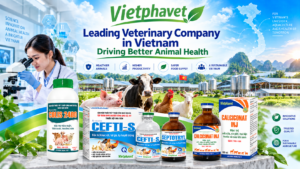
VietPhavet is a Vietnamese supplier of veterinary and aquaculture health products that presents a portfolio covering livestock, poultry, companion animals, and aquaculture. Its website lists products in categories including antibiotics, vitamins, minerals, nutritional supplements, and animal health products. This range gives prospective distributors a starting point for reviewing products that may fit their market requirements.
For international buyers, cooperation should begin with a detailed review of product specifications, target species, formulation, packaging sizes, storage conditions, and documentation. Buyers should also confirm whether the selected products can be registered and legally distributed in their destination country. Product availability and export arrangements should be confirmed directly with the supplier for each proposed order.
VietPhavet’s international business positioning focuses on connecting Vietnamese animal health products with importers, wholesalers, distributors, and other businesses. For a distributor exploring veterinary medicine distribution from Vietnam, this can provide an opportunity to discuss potential product selection and commercial requirements with a supplier familiar with the veterinary and aquaculture sectors.
Developing Strong Distributor Partnerships and Market Coverage
Long-term distribution depends on more than competitive prices. Local partners need dependable communication, transparent commercial terms, predictable lead times, and support with product information. Manufacturers and exporters should agree on order quantities, payment terms, delivery responsibilities, packaging specifications, and procedures for handling damaged goods or product complaints before business begins.

Local distributors also contribute valuable market knowledge. They understand which farming systems are growing, how customers purchase veterinary products, what competitors offer, and which communication channels reach farmers effectively. Manufacturers can use this feedback to refine product selection, packaging, training materials, and sales forecasts.
For a sustainable veterinary medicine distribution network, partners should establish realistic sales targets and track indicators such as repeat orders, delivery performance, stock availability, expiry-related losses, and customer feedback. Training for sales teams should emphasize responsible product communication, proper storage, regulatory compliance, and appropriate referral to veterinary professionals when health problems require diagnosis.
Digital Tools and Inventory Planning Improve Distribution Efficiency
Digital systems are helping animal health businesses manage product availability and customer relationships more effectively. Even small distributors can benefit from basic inventory software, digital order records, and customer databases. These tools make it easier to track fast-moving products, identify slow stock, monitor expiry dates, and plan replenishment before shortages occur.
For exporters and wholesalers, digital catalogues and technical product sheets can simplify communication with international buyers. Accurate online information allows potential partners to compare formulations, packaging, and intended applications before requesting quotations. However, product pages should be reviewed regularly to ensure that claims, labels, and availability information remain accurate.
A practical digital strategy for veterinary medicine distribution should connect sales forecasts with inventory planning. If demand rises during a particular farming season, distributors can coordinate earlier with suppliers and logistics providers. Better planning can reduce emergency orders, improve delivery reliability, and help businesses allocate working capital more carefully.
Expanding Into Emerging Markets Through Responsible Growth
Emerging markets offer opportunities for veterinary suppliers, but sustainable growth requires a disciplined approach. Businesses should evaluate potential countries according to regulatory requirements, market size, customer needs, logistics costs, competition, and the availability of capable local partners. Entering one market successfully may provide useful experience before expansion into additional territories.
For VietPhavet and other Vietnamese suppliers, international cooperation can involve identifying suitable products, confirming registration pathways, preparing required documentation, and agreeing on practical order and shipping conditions. Buyers should assess the supplier’s product information, quality documentation, communication, and ability to meet their market’s requirements before committing to a long-term arrangement.
The strongest distribution networks are built through consistent service and responsible product use. When suppliers, importers, distributors, and veterinary professionals coordinate effectively, they can improve access to appropriate animal health products while supporting safer and more efficient livestock and aquaculture production.