


Probiotics for Aquaculture: A Sustainable Solution for Modern Aquatic Farming
What Are Probiotics for Aquaculture?
The aquaculture industry has experienced remarkable growth over the past few decades, becoming one of the fastest-growing food production sectors worldwide. However, intensive farming practices often create challenges such as poor water quality, disease outbreaks, and reduced productivity. To address these issues, many farmers are turning to probiotics for aquaculture as a natural and sustainable solution.
Probiotics for aquaculture are beneficial microorganisms that improve the health of aquatic animals and enhance the farming environment. These microorganisms include various species of bacteria, yeast, and other beneficial microbes that help maintain a balanced ecosystem within ponds, tanks, and aquaculture systems.
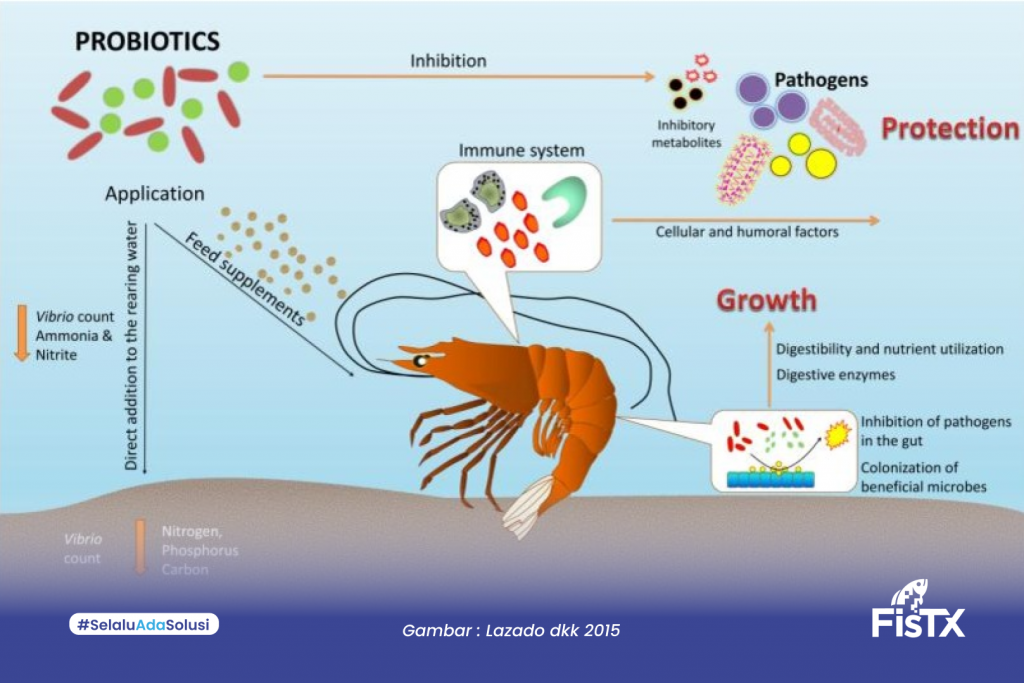
Unlike antibiotics, probiotics do not leave harmful residues or contribute to antimicrobial resistance. Instead, they work by supporting the natural biological processes that promote healthier aquatic environments and stronger animal immunity.
Why Are Probiotics for Aquaculture Important?
Disease outbreaks and environmental stress remain major concerns for fish and shrimp farmers. Poor water quality can quickly lead to increased mortality, slower growth, and economic losses.
The use of probiotics for aquaculture offers several advantages:
- Improve water quality
- Enhance digestion and nutrient absorption
- Strengthen immune responses
- Reduce disease-causing pathogens
- Increase survival rates
- Promote faster growth
- Lower production costs
As regulations on antibiotic use become stricter worldwide, probiotics for aquaculture have become an essential tool for sustainable farming practices.
How Do Probiotics for Aquaculture Work?
Beneficial microorganisms perform several important functions within aquaculture systems.
First, they compete with harmful bacteria for nutrients and living space. This process, known as competitive exclusion, helps reduce the population of disease-causing microorganisms.
Second, probiotics produce enzymes that break down organic waste, uneaten feed, and animal excrement. This reduces the accumulation of harmful substances such as ammonia, nitrite, and hydrogen sulfide.
Third, many strains used in probiotics for aquaculture produce antimicrobial compounds that inhibit the growth of pathogenic bacteria.
Finally, probiotics can stimulate the immune system of fish and shrimp, helping them resist infections and environmental stress.
Common Microorganisms Used in Probiotics for Aquaculture
Various beneficial microbes are commonly included in probiotic products designed for aquaculture applications.
Bacillus Species
Bacillus strains are among the most widely used microorganisms in aquaculture. They produce enzymes such as protease, amylase, and lipase that help decompose organic matter and improve water quality.
Popular species include:
- Bacillus subtilis
- Bacillus licheniformis
- Bacillus megaterium
- Bacillus pumilus
These bacteria are highly stable and can survive under a wide range of environmental conditions.
Lactic Acid Bacteria
Lactic acid bacteria help improve gut health and inhibit harmful microorganisms through the production of organic acids.
Examples include:
- Lactobacillus spp.
- Enterococcus spp.
- Pediococcus spp.
These microbes are particularly useful in feed-based probiotic formulations.
Saccharomyces cerevisiae
This beneficial yeast supports digestive health and enhances immune responses in aquatic animals. It is often included in premium probiotics for aquaculture products.
Nitrifying and Denitrifying Bacteria
These bacteria play a critical role in the nitrogen cycle by converting toxic ammonia into less harmful compounds.
They help maintain stable water conditions and reduce environmental stress.
Benefits of Probiotics for Aquaculture in Shrimp Farming
Shrimp farming faces numerous challenges, including bacterial infections, water quality deterioration, and disease outbreaks.
Using probiotics for aquaculture in shrimp ponds can provide several significant benefits.
Improved Pond Bottom Conditions
Organic sludge accumulation often leads to the production of toxic gases such as hydrogen sulfide and methane.
Probiotics accelerate the decomposition of organic matter, helping maintain cleaner pond bottoms and healthier environments.
Reduced Pathogenic Vibrio
Vibrio bacteria are among the most common causes of disease in shrimp culture.
Beneficial microorganisms found in probiotics for aquaculture can suppress Vibrio populations through competitive exclusion and antimicrobial activity.
Enhanced Growth Performance
Healthy digestive systems allow shrimp to utilize feed more efficiently.
As a result, farmers often observe:
- Better feed conversion ratios (FCR)
- Faster growth rates
- Improved uniformity
- Higher harvest yields
Benefits of Probiotics for Aquaculture in Fish Farming
Fish farmers also benefit greatly from probiotic applications.
Better Water Quality Management
Maintaining water quality is one of the most important factors in successful fish production.
Probiotics help control:
- Ammonia levels
- Nitrite concentrations
- Organic waste accumulation
- Algae-related issues
This creates a healthier environment for fish growth.
Improved Digestive Efficiency
Many probiotic strains produce digestive enzymes that enhance nutrient utilization.
Fish receiving probiotic supplementation often demonstrate:
- Increased appetite
- Better feed efficiency
- Improved weight gain
- Enhanced nutrient absorption
Stronger Disease Resistance
A healthy intestinal microbiome acts as a natural defense system against pathogens.
Regular use of probiotics for aquaculture helps strengthen immune responses and reduces disease susceptibility.
Application Methods for Probiotics for Aquaculture
To maximize effectiveness, probiotics can be applied using several different methods.
Water Application
In this approach, probiotics are directly added to ponds, tanks, or water systems.
Benefits include:
- Improved water quality
- Reduced organic waste
- Enhanced microbial balance
This method is particularly useful in intensive shrimp and fish farming systems.
Feed Supplementation
Probiotics can be mixed with feed before feeding.
This method primarily targets gut health and digestion while improving nutrient utilization.
Pond Bottom Treatment
Some products are specifically designed to improve pond sediment conditions.
Regular application helps prevent sludge accumulation and toxic gas formation.
Factors Affecting the Performance of Probiotics for Aquaculture
Several environmental factors influence probiotic effectiveness.
Water Temperature
Most probiotic microorganisms perform best within specific temperature ranges.
Extreme temperatures may reduce microbial activity.
pH Levels
Stable pH conditions support probiotic growth and performance.
Sudden fluctuations can negatively affect microbial populations.
Dissolved Oxygen
Adequate oxygen levels are essential for many beneficial bacteria.
Poor aeration may reduce the effectiveness of probiotics for aquaculture.
Product Quality
Not all probiotic products are created equal.
Farmers should choose products that contain:
- Clearly identified microbial strains
- High viable cell counts
- Stable formulations
- Reliable manufacturing standards
Choosing the Right Probiotics for Aquaculture
Selecting the appropriate probiotic product depends on farming objectives and environmental conditions.
When evaluating products, consider:
- Target species (fish, shrimp, or other aquatic animals)
- Water quality issues
- Disease prevention goals
- Feeding practices
- Farm management system
Working with experienced aquaculture professionals can help identify the most suitable probiotic solutions.
Future Trends of Probiotics for Aquaculture
The global aquaculture industry continues to move toward environmentally friendly production methods.
Researchers are developing next-generation probiotics for aquaculture with enhanced capabilities, including improved pathogen control, stronger immune stimulation, and greater environmental resilience.
Advances in microbial technology are expected to make probiotics even more effective and widely adopted in commercial aquaculture operations.
As sustainability becomes increasingly important, probiotics for aquaculture will continue to play a vital role in improving productivity, reducing disease risks, and supporting responsible aquatic farming worldwide.