


Common Diseases in Chickens During Summer and Effective Prevention Methods
Summer brings high temperatures, increased humidity, and sudden rain showers, creating ideal conditions for the growth of bacteria, viruses, and parasites. This is also the season when poultry farmers need to pay close attention to common diseases in chickens to prevent outbreaks and minimize economic losses.
Early detection of symptoms and proper management practices can help keep flocks healthy, improve productivity, and reduce mortality rates.
Why Are Chickens More Susceptible to Diseases in Summer?
Hot weather causes heat stress, which weakens the immune system of chickens. In addition, warm and humid poultry houses provide an ideal environment for pathogens to multiply rapidly.
Some common causes include:
- Excessively high house temperatures.
- Contaminated drinking water.
- Moldy or spoiled feed.
- Overcrowded housing conditions.
- Poor sanitation and disinfection practices.
For these reasons, understanding common diseases in chickens is essential for every poultry farmer during the summer season.
1. Chronic Respiratory Disease (CRD)
CRD, also known as chronic respiratory disease, is caused by the bacterium Mycoplasma gallisepticum. It is one of the most frequently encountered common diseases in chickens during hot and humid weather.
Symptoms
- Wheezing and difficulty breathing.
- Nasal discharge and watery eyes.
- Frequent coughing and sneezing.
- Reduced feed intake and slow growth.
- Lower egg production in laying hens.
Prevention
- Follow a proper vaccination schedule.
- Maintain good ventilation in the poultry house.
- Avoid overcrowding.
- Regularly disinfect the housing facilities.
2. Coccidiosis
Coccidiosis is caused by Eimeria parasites and commonly occurs when litter remains wet for extended periods.
It is considered one of the most damaging common diseases in chickens, especially in broiler production.
Symptoms
- Depression and ruffled feathers.
- Bloody or dark reddish droppings.
- Weight loss and anemia.
- High mortality if left untreated.
Prevention
- Replace litter regularly.
- Keep the floor dry and clean.
- Use anticoccidial medications as recommended by veterinarians.
- Perform routine sanitation and disinfection.
3. Newcastle Disease
Newcastle disease is a highly contagious viral infection that spreads rapidly among poultry flocks.
Among the various common diseases in chickens, this disease often causes severe economic losses.
Symptoms
- High fever and loss of appetite.
- Nasal discharge.
- Greenish diarrhea.
- Twisted neck and nervous signs.
- Mortality rates may reach up to 90%.
Prevention
- Vaccinate according to the recommended schedule.
- Avoid introducing birds from unknown sources.
- Apply strict biosecurity measures.
- Regularly disinfect poultry houses and equipment.
4. Fowl Cholera
Fowl cholera is caused by the bacterium Pasteurella multocida. Summer weather, especially when hot days alternate with rainy periods, favors the spread of this disease.
It is another important member of the list of common diseases in chickens.
Symptoms
- High fever.
- Bluish comb and wattles.
- Difficulty breathing.
- Green diarrhea.
- Sudden death.
Prevention
- Administer vaccines regularly.
- Keep feeders and drinkers clean.
- Supplement with vitamin C and electrolytes to reduce heat stress.
5. Salmonellosis (Fowl Typhoid)
Salmonellosis is caused by Salmonella bacteria and commonly affects young chicks and broilers.
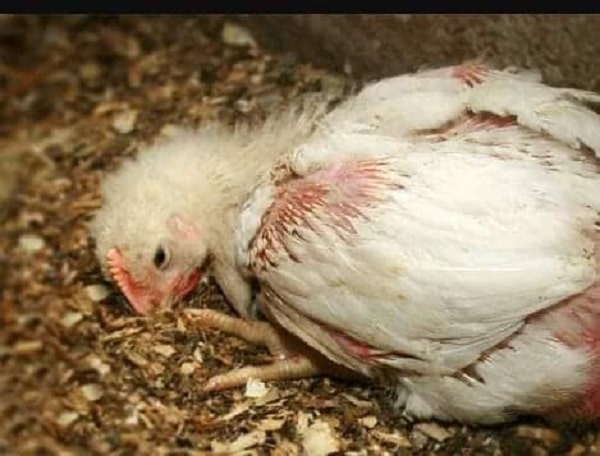
Symptoms
- White or green diarrhea.
- Ruffled feathers and weakness.
- Swollen joints.
- Poor growth performance.
Prevention
- Purchase healthy chicks from reliable hatcheries.
- Sanitize incubators and poultry houses.
- Provide clean drinking water.
- Supplement with probiotics to improve gut health.
6. Fowl Pox
Fowl pox outbreaks are more common during summer because mosquitoes and insects become more abundant.
Among the various common diseases in chickens, fowl pox rarely causes high mortality but can significantly reduce growth and productivity.
Symptoms
- Wart-like lesions on the comb, wattles, and eyelids.
- Difficulty eating and breathing.
- General weakness.
Prevention
- Vaccinate against fowl pox.
- Control mosquitoes and insects around the farm.
- Maintain good environmental hygiene.
7. Escherichia coli (E. coli Infection)
E. coli bacteria are naturally present in the environment but can become problematic when farm hygiene is poor.
This bacterial infection is one of the most significant common diseases in chickens, often causing airsacculitis, pericarditis, and liver inflammation.

Symptoms
- Respiratory distress.
- Poor weight gain.
- White or green watery droppings.
- Increased mortality.
Prevention
- Ensure a clean water supply.
- Disinfect poultry houses regularly.
- Reduce dust and harmful gases inside the housing system.
Effective Ways to Prevent Common Diseases in Chickens During Summer
To minimize the risk of common diseases in chickens, poultry farmers should implement the following management practices:
Maintain Proper Ventilation
- Install fans or cooling systems.
- Protect birds from direct sunlight.
- Keep the house temperature within the optimal range.
Provide Fresh and Clean Water
During summer, chickens consume more water than usual. Drinking water should be replaced frequently and supplemented with electrolytes and vitamin C to alleviate heat stress.
Follow a Proper Vaccination Program
A well-planned vaccination schedule is one of the most effective ways to prevent major infectious diseases.
Maintain Strict Sanitation
Disinfect poultry houses, equipment, feeders, drinkers, and surrounding areas at least one or two times per week to reduce pathogen levels.
Provide Balanced Nutrition
A diet rich in vitamins, minerals, and probiotics helps strengthen the immune system and improves disease resistance.
Conclusion
Summer is one of the most challenging seasons for poultry farming due to the increased risk of disease outbreaks. Understanding common diseases in chickens, including CRD, coccidiosis, Newcastle disease, fowl cholera, salmonellosis, fowl pox, and E. coli infection, enables farmers to take timely preventive measures.
By maintaining good biosecurity, following vaccination schedules, practicing proper sanitation, and providing balanced nutrition, poultry producers can effectively control common diseases in chickens, improve flock performance, and achieve sustainable farming success.