


5 IMPORTANT NOTES FOR PREGNANT SOW CARE TO REDUCE POSTPARTUM LOSSES
The gestation period of sows directly determines the quantity and quality of piglets born, while also greatly affecting the recovery ability of the mother sow. Without proper management and techniques, the post-birth mortality rate can be very high. Therefore, understanding and correctly applying pregnant sow care is the “golden key” that helps farm owners optimize productivity, protect investment capital, and improve livestock profitability.
This article shares 5 important notes for pregnant sow care to effectively reduce postpartum losses, ensuring healthy piglets, abundant milk production, and smoother farrowing.
1. Monitor Body Condition Score (BCS) in Pregnant Sow Care
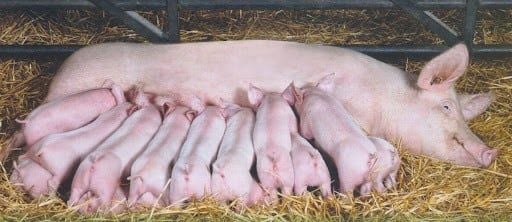
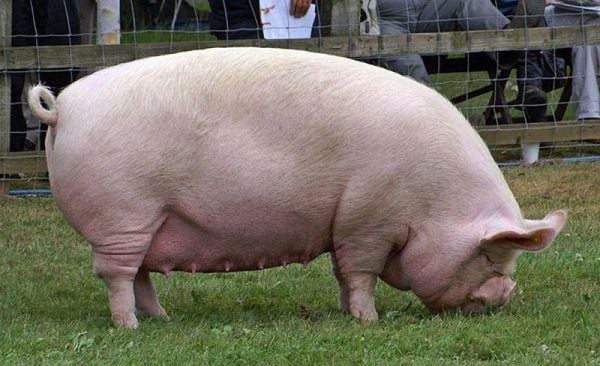
Controlling the body condition of the animals is a foundational step in pregnant sow care throughout gestation. The ideal Body Condition Score (BCS) should be maintained at around 3/5 (straight back, neither too thin nor overly fat).
-
If the sow is too thin: Fetuses may develop poorly, piglets will be born underweight, the sow will produce less milk after farrowing, and neonatal mortality will increase.
-
If the sow is too fat: Farrowing difficulties are more common, labor lasts longer, the risk of crushing piglets increases, feed intake after birth decreases, and dangerous conditions such as metritis or mastitis are more likely to occur.
2. Provide Stage-Specific Nutrition
The nutritional requirements of sows continuously change throughout gestation. Dividing the feeding program according to pregnancy stages is a critical factor in effective pregnant sow care.
Early Gestation (Day 0 to Day 84)
-
Goal: Maintain embryo stability without causing excessive weight gain.
-
Action: Feed moderately, maintain protein levels at 13%–15%, and avoid excessive dietary energy.
Late Gestation (Day 85 Until Farrowing)
This is the period when fetuses grow rapidly, accounting for nearly 70% of total fetal weight. A vital note in pregnant sow care during this phase is to increase:
-
High-quality protein and Lysine
-
Calcium and phosphorus
-
Vitamins A, D, and E
-
Essential minerals (Zn, Se, Fe)
Consequences of deficiencies: Poor nutrition during late gestation can lead to underweight piglets, weak newborns, and a reduced ability to consume colostrum.
3. Implement Timely Vaccination and Deworming
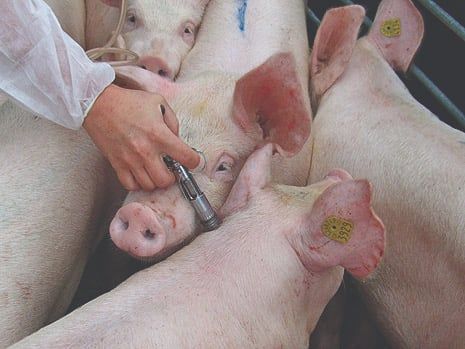
To fully protect both the mother and newborn piglets, a strict health schedule must be integrated into your pregnant sow care routine.
Vaccination
Depending on the disease situation at each farm, sows are commonly vaccinated against E. coli, Clostridium, Parvovirus (Parvo), Leptospirosis (Lepto), PRRS, and Classical swine fever.
-
Timing: Vaccinations are usually administered 2–4 weeks before farrowing to help piglets receive maximum passive immunity through colostrum.
Deworming
-
Timing: Deworming should be performed about 10–14 days before farrowing to reduce nutrient loss in the sow and minimize the risk of parasite transmission to piglets.
4. Allow Proper Exercise for Pregnant Sows
Many farms keep pregnant sows confined in narrow stalls at all times, which can be very harmful. Completely confined animals are more likely to suffer from constipation, muscle weakness, difficult labor, and reduced endurance during farrowing. Therefore, modern pregnant sow care highly recommends:
-
Solution: Allow sows to exercise lightly for about 20–30 minutes per day.
-
Benefits: Improves blood circulation, reduces constipation, increases uterine muscle tone, supports faster farrowing, and reduces the rate of piglet suffocation during birth.
5. Prepare an Optimal Farrowing Environment
The final but equally important note in pregnant sow care is preparing a safe, clean, and hygienic farrowing environment before the big day:
-
Clean and disinfect the farrowing pen 5–7 days before moving the sow in.
-
Ensure the barn is cool during summer and warm during winter (avoid direct drafts).
-
Prepare all necessary farrowing equipment: Drying powder, anti-inflammatory antibiotics for sows, umbilical cord clamps, and heat lamps for piglets.