


10 Common Diseases in Cattle and Buffaloes and Effective Prevention Methods
In modern livestock farming, understanding common diseases in cattle and buffaloes is essential for maintaining herd health and farm profitability. Diseases can reduce growth performance, lower productivity, and cause significant economic losses. Sudden weather changes, poor sanitation, and inadequate nutrition often increase the risk of disease outbreaks.
Below are ten common diseases that farmers should know, along with practical prevention measures.
1. Foot-and-Mouth Disease (FMD)
Foot-and-mouth disease is one of the most contagious common diseases in cattle and buffaloes. It is caused by a virus and can affect animals of all ages.
.jpg)
Symptoms
- High fever (40–41°C).
- Blisters on the mouth, tongue, and hooves.
- Excessive drooling.
- Difficulty walking and loss of appetite.
Prevention
- Vaccinate animals regularly according to veterinary recommendations.
- Isolate newly introduced animals before mixing them with the herd.
- Disinfect barns and equipment frequently.
- Limit the movement of people and vehicles into the farm during outbreaks.
2. Hemorrhagic Septicemia
This infectious bacterial disease commonly occurs during the rainy season or when the weather changes suddenly.

Symptoms
- High fever.
- Rapid or difficult breathing.
- Swelling around the neck and throat area.
- Nasal discharge, sometimes mixed with blood or foam.
Prevention
- Follow a regular vaccination program.
- Provide vitamins and minerals to strengthen immunity.
- Keep housing clean and dry.
3. Lumpy Skin Disease
Lumpy skin disease has become increasingly common in cattle and can significantly affect growth and milk production.
Symptoms
- Fever.
- Firm skin nodules across the body.
- Reduced appetite.
- Swollen lymph nodes.
Prevention
- Vaccinate susceptible animals.
- Control insects such as flies, mosquitoes, and ticks, which can spread the virus.
- Isolate infected cattle immediately.
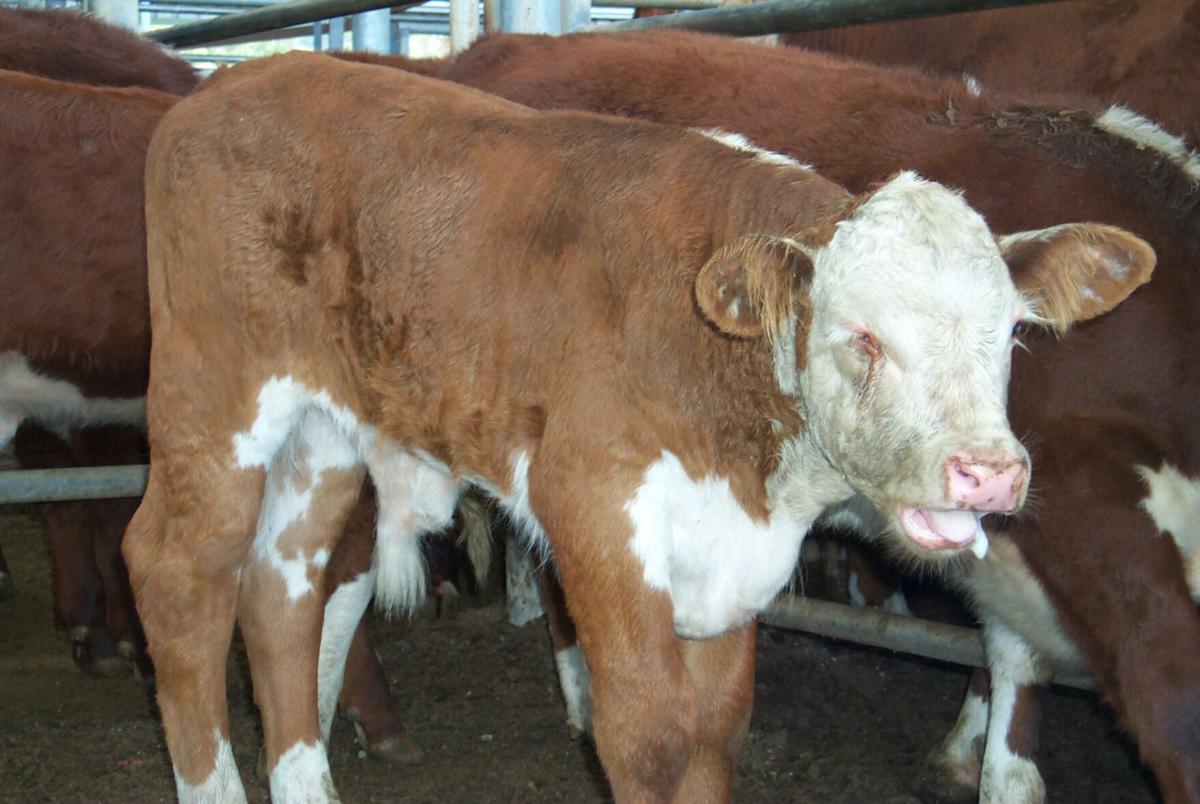
4. Pneumonia
Pneumonia is one of the most common respiratory diseases affecting cattle and buffaloes, especially during seasonal transitions.
Symptoms
- Persistent coughing.
- Nasal discharge.
- Difficulty breathing.
- Fever and reduced feed intake.
Prevention
- Ensure barns are well ventilated without direct drafts.
- Keep the floor dry and clean.
- Supplement vitamin C and electrolytes during periods of weather stress.
5. Bloat (Rumen Tympany)
Bloat often occurs when cattle or buffaloes consume excessive amounts of young grass or fermented feed.

Symptoms
- Swelling on the left side of the abdomen.
- Breathing difficulties.
- Restlessness and frequent looking at the belly.
- Sudden death if not treated promptly.
Prevention
- Avoid feeding large amounts of fresh young grass after rainfall.
- Balance roughage and concentrate feeds.
- Allow animals to exercise regularly.
6. Diarrhea
Diarrhea is common in calves and young buffaloes but can also affect adult animals.
Symptoms
- Loose or watery feces.
- Dehydration.
- Weakness and poor appetite.
- Rapid weight loss.
Prevention
- Provide clean feed and drinking water.
- Wash feeding and watering equipment daily.
- Maintain good barn hygiene and regular disinfection.
7. Blood Parasite Disease
This disease is transmitted mainly by ticks and biting flies.
Symptoms
- High fever.
- Pale mucous membranes.
- Dark-colored urine.
- Rapid loss of body condition.
Prevention
- Apply tick control products regularly.
- Keep grazing areas clean.
- Monitor animal health frequently.
8. Liver Fluke Disease
Liver fluke infection can reduce growth performance and cause major economic losses.
Symptoms
- Weight loss.
- Anemia.
- Rough hair coat and dry skin.
- Reduced fertility.
Prevention
- Deworm animals regularly.
- Avoid grazing in marshy or stagnant water areas.
- Supply clean and safe forage.
9. Mastitis in Dairy Cows
For dairy farms, mastitis is a common disease that directly affects milk production and quality.
Symptoms
- Swollen and warm udders.
- Milk containing clots or abnormal color.
- Pain during milking.
- Decreased milk yield.
Prevention
- Clean the teats before and after milking.
- Sterilize milking equipment properly.
- Detect and treat cases early.
10. Mange and Tick Infestation
External parasites such as mites and ticks can spread quickly throughout the herd.
Symptoms
- Severe itching.
- Hair loss in patches.
- Thickened, scaly skin.
- Weight loss due to blood loss and stress.
Prevention
- Bathe and groom animals regularly.
- Disinfect barns and surrounding areas.
- Use appropriate veterinary treatments for tick and mange control.
How to Reduce Disease Risk in Cattle and Buffaloes
In addition to recognizing common diseases in cattle, farmers should implement comprehensive preventive measures:
- Follow a routine vaccination schedule.
- Disinfect barns at least once or twice a week.
- Provide a balanced and nutritious diet.
- Ensure a constant supply of clean drinking water.
- Isolate sick or newly purchased animals.
- Deworm and control parasites regularly.
- Observe the herd daily for any abnormal signs.
Early detection and proper disease prevention can help farmers protect their livestock, improve productivity, and reduce economic losses. Whenever cattle or buffaloes show signs such as fever, loss of appetite, difficulty breathing, or unusual behavior, veterinary assistance should be sought as soon as possible.