


Chicken Respiratory Disease: Causes, Symptoms, and Effective Prevention Methods
In modern poultry farming, Chicken Respiratory Disease is one of the most common health challenges affecting flock performance and profitability. Especially during periods of sudden weather changes, fluctuating temperatures, or seasonal transitions, the risk of Chicken Respiratory Disease increases significantly. If not detected and managed promptly, the disease can spread rapidly throughout the flock, resulting in poor growth, increased mortality, and substantial economic losses.
Understanding the causes, symptoms, and prevention strategies of Chicken Respiratory Disease is essential for maintaining healthy birds and achieving sustainable poultry production.
What Is Chicken Respiratory Disease?
Chicken Respiratory Disease refers to a group of illnesses that affect the respiratory system of poultry, including the nasal passages, trachea, bronchi, air sacs, and lungs. These diseases may be caused by viruses, bacteria, fungi, or environmental stress factors.
When birds suffer from Chicken Respiratory Disease, their ability to breathe and absorb oxygen is reduced. This often leads to slower growth rates, decreased feed efficiency, reduced egg production, and weakened immunity.
Causes of Chicken Respiratory Disease
Sudden Weather Changes

One of the leading causes of Chicken Respiratory Disease is unstable weather. Large temperature fluctuations between day and night can stress birds and weaken their immune systems.
Rainy seasons and high humidity levels create favorable conditions for pathogens to thrive, increasing the likelihood of Chicken Respiratory Disease outbreaks.
Poor Ventilation
Inadequate ventilation allows harmful gases such as ammonia (NH3) and hydrogen sulfide (H2S) to accumulate inside poultry houses. These gases irritate the respiratory tract and make birds more susceptible to Chicken Respiratory Disease.
Dust, moisture, and poor air quality further contribute to respiratory problems in chickens.
Overcrowding
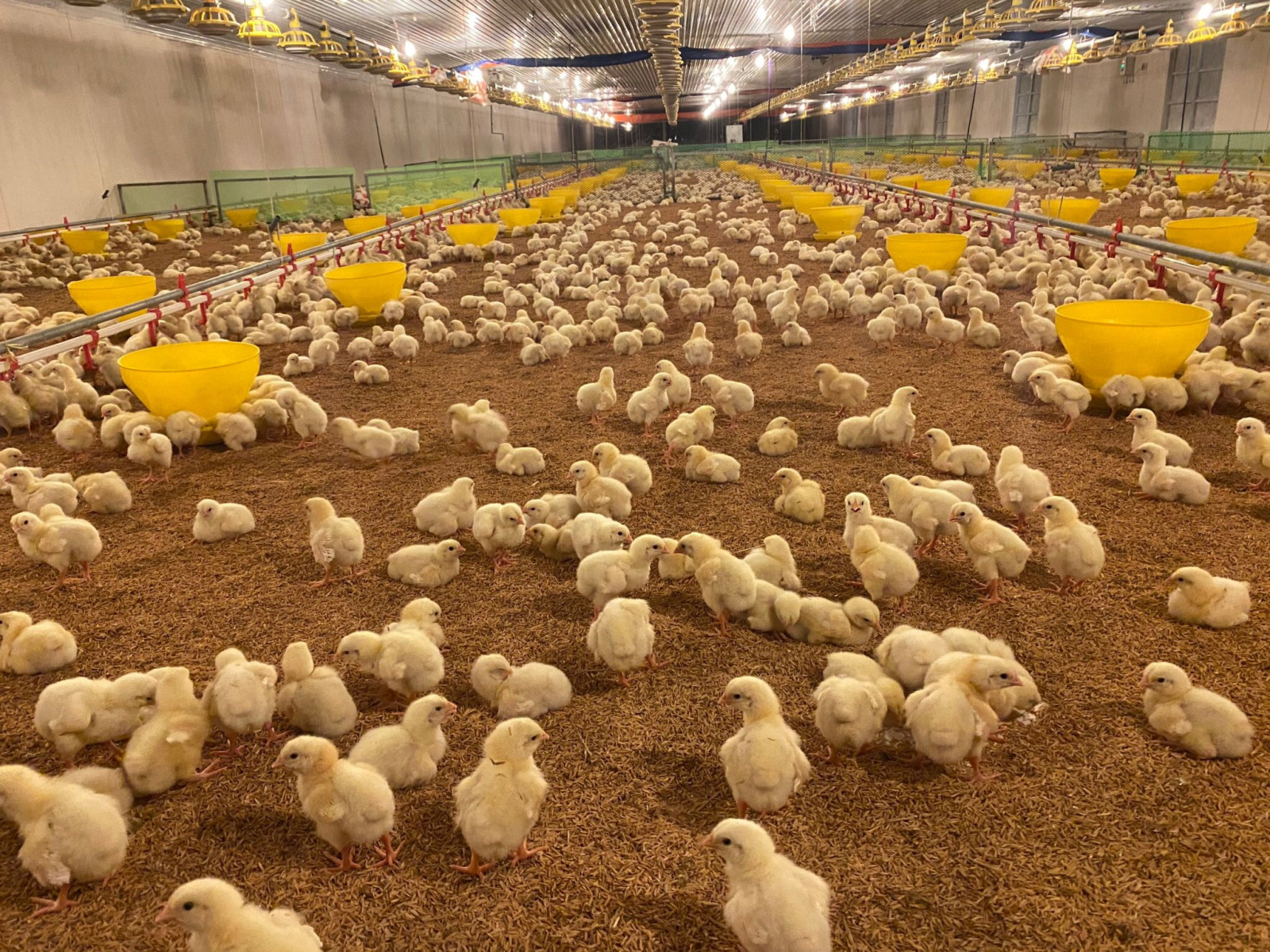
High stocking density increases stress levels and reduces airflow within the poultry house. Once a few birds become infected with Chicken Respiratory Disease, the disease can spread quickly throughout the entire flock.
Viral and Bacterial Infections
Several pathogens are commonly associated with Chicken Respiratory Disease, including:
- Mycoplasma gallisepticum (Chronic Respiratory Disease – CRD)
- Newcastle Disease Virus
- Infectious Bronchitis Virus (IBV)
- Escherichia coli (E. coli)
- Pasteurella multocida
- Ornithobacterium rhinotracheale (ORT)
These pathogens may occur individually or in combination, making Chicken Respiratory Disease more severe and difficult to control.
Common Symptoms of Chicken Respiratory Disease
Early detection of Chicken Respiratory Disease is crucial for minimizing losses and improving treatment outcomes.
Typical Clinical Signs
Birds affected by Chicken Respiratory Disease may exhibit:
- Sneezing
- Coughing
- Nasal discharge
- Watery eyes
- Wheezing
- Rales or respiratory sounds
- Open-mouth breathing
- Facial swelling
- Reduced feed intake
- Lethargy
- Poor growth performance
As Chicken Respiratory Disease progresses, birds often become weak, gather near heat sources, and show noticeable weight loss.
Symptoms in Layer Chickens
In laying hens, Chicken Respiratory Disease may lead to:
- Reduced egg production
- Smaller eggs
- Thin eggshells
- Poor egg quality
- Increased numbers of misshapen eggs
These effects can significantly reduce farm profitability.
Common Types of Chicken Respiratory Disease
Chronic Respiratory Disease (CRD)
CRD is one of the most widespread forms of Chicken Respiratory Disease in poultry farms worldwide.
Symptoms
- Wheezing
- Nasal discharge
- Sinus swelling
- Poor growth performance
- Reduced feed conversion efficiency
CRD outbreaks are particularly common during cold weather and periods of high humidity.
Infectious Bronchitis (IB)
Infectious Bronchitis is a highly contagious viral form of Chicken Respiratory Disease.
Symptoms
- Coughing
- Sneezing
- Difficulty breathing
- Decreased egg production
- Poor eggshell quality
The disease spreads rapidly and can cause severe economic losses in commercial poultry operations.
Newcastle Disease
Although Newcastle Disease is often associated with nervous system disorders, it is also an important form of Chicken Respiratory Disease.
Affected birds may show:
- Respiratory distress
- Nasal discharge
- Wheezing
- Greenish diarrhea
- Nervous signs
Mortality rates can be extremely high during severe outbreaks.
Ornithobacterium Rhinotracheale (ORT)
ORT is a bacterial infection that causes significant respiratory problems in poultry.
Symptoms
- Pneumonia
- Air sacculitis
- Difficulty breathing
- Increased mortality
ORT frequently occurs together with CRD, making more complicated and challenging to treat.
Effective Prevention of Chicken Respiratory Disease
Maintain Proper Ventilation
One of the most effective ways to prevent Chicken Respiratory Disease is to provide adequate ventilation.
Farmers should:
- Ensure continuous airflow
- Remove excess moisture
- Reduce dust accumulation
- Maintain appropriate temperature levels
A well-ventilated poultry house helps reduce pathogen pressure and supports respiratory health.
Improve House Hygiene
Good sanitation practices are essential for controlling Chicken Respiratory Disease.
Recommended measures include:
- Regular cleaning and disinfection
- Proper litter management
- Routine removal of manure
- Biosecurity protocols to prevent disease introduction
Reduce Harmful Gases
Ammonia and other toxic gases can damage the respiratory tract and increase the risk of Chicken Respiratory Disease.
To minimize gas buildup:
- Replace wet litter promptly
- Use biological products to improve litter quality
- Monitor ventilation systems regularly
Supplement Vitamins and Electrolytes
During periods of stress, nutritional supplementation can help boost the immune system and reduce the incidence of debilitating illnesses (Chicken Syndrome).
Important supplements include:
- Vitamin C
- Vitamin A
- Vitamin E
- Electrolytes
- Trace minerals
These nutrients help birds cope with environmental stress and maintain respiratory health.
Vaccination Programs
A well-designed vaccination program is one of the most important tools for preventing .
Vaccines commonly used include:
- Newcastle Disease vaccines
- Infectious Bronchitis vaccines
- Other respiratory disease vaccines recommended by veterinarians
Following proper vaccination schedules can significantly reduce disease outbreaks.
Treatment of Chicken Respiratory Disease
When Chicken Respiratory Disease is detected, affected birds should be isolated whenever possible to reduce transmission.
Additional management practices include:
- Improving ventilation
- Reducing stress factors
- Providing supportive nutrition
- Administering appropriate medications under veterinary supervision
- Monitoring flock health closely
Proper diagnosis is critical because different pathogens require different treatment approaches. Misuse of antibiotics can contribute to antimicrobial resistance and reduce treatment effectiveness.
Conclusion
Chicken Respiratory Disease remains one of the most significant health concerns in poultry production worldwide. Environmental stress, poor ventilation, high stocking density, and infectious agents all contribute to the development of Chicken Respiratory Disease.
By recognizing early symptoms, maintaining excellent farm management practices, implementing effective biosecurity measures, and following appropriate vaccination programs, poultry producers can greatly reduce the impact of Chicken Respiratory Disease. Prevention remains the most cost-effective strategy for protecting flock health, improving productivity, and ensuring long-term profitability in poultry farming.