

Veterinary Medicine Distributor Driving Better Animal Health
In today’s rapidly evolving livestock and aquaculture industries, access to reliable veterinary medicines is essential for maintaining animal health, improving farm productivity, and supporting sustainable agricultural development. Choosing the right veterinary medicine distributor can make a significant difference in product availability, supply chain efficiency, and long-term business growth.

As livestock producers face increasing challenges from infectious diseases, changing environmental conditions, and rising production costs, distributors play a critical role in connecting pharmaceutical manufacturers with farms, veterinary clinics, agricultural suppliers, and international markets.
For businesses seeking dependable veterinary pharmaceutical solutions, Vietvet Pharma represents a brand to explore for product supply, professional cooperation, and opportunities in the animal health sector. Understanding what makes a distributor reliable helps importers, wholesalers, and livestock businesses make better purchasing decisions.
Why a Reliable Veterinary Medicine Distributor Matters in Modern Agriculture
Animal health is directly connected to food security, farm profitability, and the stability of agricultural supply chains. Healthy animals generally perform better, while effective disease prevention and appropriate veterinary care can help farmers reduce avoidable losses.
A professional veterinary medicine distributor does more than deliver pharmaceutical products. It helps ensure that suitable products reach the right customers through an organized supply network. Depending on its business model, a distributor may coordinate with manufacturers, manage inventory, support product documentation, and provide information about appropriate product applications.
For livestock farms, consistent availability can help prevent disruptions in routine animal health programs. For wholesalers and veterinary retailers, a dependable supplier can improve stock planning and customer service. For importers, clear communication and reliable documentation are important when evaluating potential international partnerships.
The distribution process must also respect applicable veterinary medicine regulations, product registration requirements, storage conditions, and transportation standards. These factors contribute to product integrity and help businesses maintain responsible commercial practices.
In a competitive agricultural market, distributors that combine dependable supply with transparent communication can build stronger relationships and create long-term value for their customers.
What Makes a Professional Veterinary Medicine Distributor Stand Out
Not all distributors offer the same level of service. Businesses should evaluate potential partners according to product quality, portfolio suitability, regulatory compliance, logistics, and technical communication rather than price alone.
Product Quality and Manufacturer Reliability
Product quality should be a primary consideration when selecting a veterinary medicine distributor. Buyers need confidence that products come from legitimate sources and are supported by appropriate documentation, labeling, and quality-control procedures.
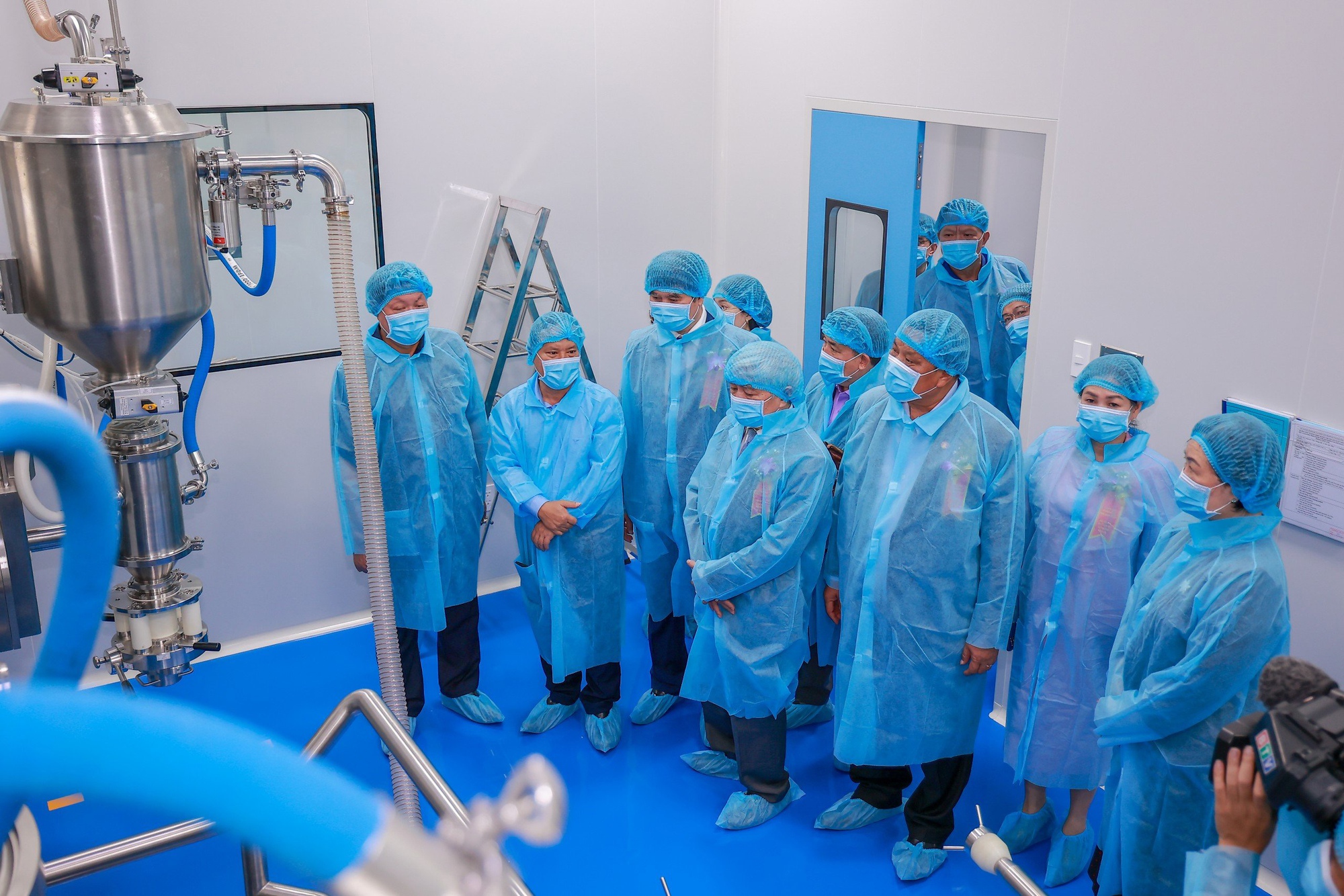
A trustworthy supplier should be able to explain product specifications, active ingredients, intended uses, storage requirements, and relevant registration information. Where applicable, buyers may also request manufacturing quality certificates and other documents required for their market.
Manufacturing standards such as GMP can be an important part of supplier evaluation. However, customers should verify the actual certification, its scope, and its validity rather than relying solely on promotional claims.
A Diverse Portfolio for Different Farming Needs
Livestock and aquaculture operations have different health management requirements. Poultry farms may need products for specific disease-management programs, while pig farms, cattle operations, and aquaculture businesses require solutions suited to their production systems.

A well-organized portfolio may include veterinary pharmaceuticals, nutritional supplements, probiotics, disinfectants, and other animal health products, depending on the distributor’s licenses and business scope.
For wholesalers and importers, product variety can simplify sourcing and create opportunities to serve multiple customer segments. Nevertheless, each product should be selected according to local regulations, target species, approved indications, and actual market demand.
Consistent Supply and Responsive Communication
Inventory shortages can interrupt purchasing plans and place pressure on distributors, retailers, and farm operators. A reliable supply partner should communicate clearly about product availability, order quantities, lead times, and shipping arrangements.
Responsive communication is equally important when buyers need updated documents, product information, quotations, or assistance with export procedures. These practical capabilities distinguish a professional supplier from a business that focuses only on completing individual transactions.
How Veterinary Medicine Distribution Supports Global Market Growth
The animal health sector continues to evolve as producers invest in disease management, farm efficiency, and improved animal welfare. According to Grand View Research’s 2026 market report, the global veterinary medicine market was valued at approximately USD 51.6 billion in 2025, with further growth projected over the following years.
This expanding market creates opportunities for manufacturers, importers, wholesalers, and every veterinary medicine distributor that can meet the requirements of its target customers.
International distribution, however, requires more than identifying a promising market. Businesses must understand local product registration rules, import procedures, labeling requirements, permitted claims, and customer purchasing behavior. A product that performs well in one country may require additional regulatory approval before it can be legally marketed elsewhere.
For this reason, successful distribution strategies combine market research with regulatory planning and practical logistics. Companies that understand their customers’ needs can develop more relevant product portfolios, establish stronger commercial partnerships, and improve their ability to respond to changing demand.
Opportunities in Livestock and Aquaculture
Livestock and aquaculture remain important areas for veterinary pharmaceutical distribution, particularly in agricultural economies where animal protein production supports employment, trade, and food supply.
Poultry producers need appropriate animal health management programs to maintain flock performance. Pig and cattle farms require species-specific healthcare products and responsible disease-management practices. Meanwhile, shrimp and fish farmers need suitable solutions for maintaining water quality, managing environmental stress, and supporting aquatic animal health.
A specialized veterinary medicine distributor can help customers access relevant products for their production systems. For international buyers, suppliers with experience in agricultural markets may also offer valuable insights into product selection, packaging, and commercial requirements.
Nevertheless, distributors should avoid treating all farms as having identical needs. Product selection must reflect the target species, production stage, local disease risks, and applicable veterinary guidance.
The Role of Vietvet Pharma in Veterinary Pharmaceutical Partnerships
For businesses exploring veterinary pharmaceutical suppliers in Vietnam, Vietvet Pharma is a potential partner to evaluate for livestock and aquaculture product sourcing.
Vietvet Pharma focuses on veterinary and aquaculture pharmaceutical products, serving an industry in which reliable supply, product information, and practical customer support are important considerations. Buyers interested in working with the company should review its current product portfolio, manufacturing documentation, available export markets, and commercial terms to determine whether these meet their specific requirements.
A productive relationship between a manufacturer and a veterinary medicine distributor depends on clear expectations. Both parties should understand product specifications, order quantities, lead times, documentation responsibilities, and the process for addressing customer questions or quality concerns.
For distributors building their portfolios, cooperation with a manufacturer can also support more consistent product information and help simplify communication throughout the supply chain.
Building Long-Term Business Relationships
Long-term partnerships are built through transparency and dependable performance rather than one-time transactions. Manufacturers need distribution partners who understand the market and represent their products responsibly. Distributors, in turn, need suppliers who communicate clearly and provide accurate information.
Before entering a partnership, both parties should discuss territory coverage, pricing structures, minimum order quantities, payment terms, product shelf life, shipping arrangements, and any applicable exclusivity provisions.
Export partnerships may also require certificates of origin, certificates of analysis, free-sale documentation, or other documents, depending on the product and destination country’s regulations. These requirements should be confirmed for each market instead of being assumed to apply universally.
For Vietvet Pharma, communication with prospective distributors and importers can help establish whether its available products, documentation, and supply capabilities align with the partner’s business objectives.
How to Choose the Right Veterinary Medicine Distributor
Selecting a distribution partner is an important business decision that can influence product availability, customer satisfaction, and profitability. Importers and wholesalers should conduct a structured evaluation before committing to a supplier.
First, examine the supplier’s product range and determine whether it matches the needs of your target market. Check product labels, active ingredients, approved indications, shelf life, and storage requirements. Confirm that the products can be legally imported and distributed in the destination country.
Second, evaluate the supply chain. Ask about production capacity, order processing, packaging options, shipping schedules, and procedures for handling damaged or nonconforming products. For temperature-sensitive medicines and vaccines, verify that appropriate storage and transportation controls are available.
Third, assess communication and commercial transparency. A dependable veterinary medicine distributor or supplier should provide clear quotations, realistic delivery estimates, and timely responses to business inquiries. Written agreements can help prevent misunderstandings about payment terms, responsibilities, and product quality expectations.
Finally, consider whether the relationship can support future growth. A supplier with a suitable portfolio and consistent communication may be more valuable over time than a supplier offering only a lower initial price.
Digital Technology Is Transforming Veterinary Medicine Distribution
Digital tools are changing how veterinary pharmaceutical businesses manage inventory, communicate with customers, and coordinate international orders. Online product catalogs, digital documentation, customer relationship management systems, and inventory tracking can make distribution operations more efficient.
For a modern veterinary medicine distributor, accurate inventory information helps teams identify products that require replenishment and reduce the risk of unexpected shortages. Digital records can also improve order visibility and help staff respond more quickly to customer inquiries.
Search engine optimization and professional websites are increasingly important for B2B customer acquisition. Importers searching for veterinary pharmaceutical suppliers often compare product portfolios, company information, quality documentation, and export capabilities before initiating contact.
Manufacturers and distributors can strengthen their online presence by publishing informative product pages, explaining their manufacturing capabilities accurately, and providing clear contact information. Educational content about animal health can also help potential partners understand a company’s expertise.
However, digital convenience must not replace regulatory compliance. Online promotion and sales of veterinary medicines must follow applicable laws, including restrictions on prescription products and advertising claims.
Future Trends for Veterinary Medicine Distributors
The future of veterinary pharmaceutical distribution will be shaped by changing production systems, disease prevention priorities, digital supply chains, and growing attention to responsible medicine use.
Distributors are likely to place greater emphasis on traceability, reliable inventory management, and stronger coordination with manufacturers. Customers may also increasingly expect detailed product documentation and responsive technical communication.
Sustainability is another consideration. More efficient packaging, improved delivery planning, and better inventory control can help businesses reduce avoidable waste. Meanwhile, responsible antimicrobial stewardship remains essential: antibiotics should be used under appropriate veterinary oversight and in accordance with applicable regulations.
For companies entering international markets, these developments create opportunities to differentiate themselves through dependable service, transparent business practices, and carefully selected products.
Vietvet Pharma can be considered by businesses seeking to explore veterinary and aquaculture pharmaceutical cooperation in Vietnam. Prospective partners should review the company’s current offerings and verify relevant export documentation, product registrations, and distribution arrangements for their intended markets.