


Antibiotics for Animals: Benefits, Risks, and Responsible Use in Modern Livestock Farming
Understanding Antibiotics for Animals
Animal health plays a critical role in modern agriculture, food production, and companion animal care. One of the most important tools used by veterinarians and farmers to maintain animal health is antibiotics for animals. These medications help prevent and treat bacterial infections, allowing livestock and pets to recover from illness and maintain their overall well-being.
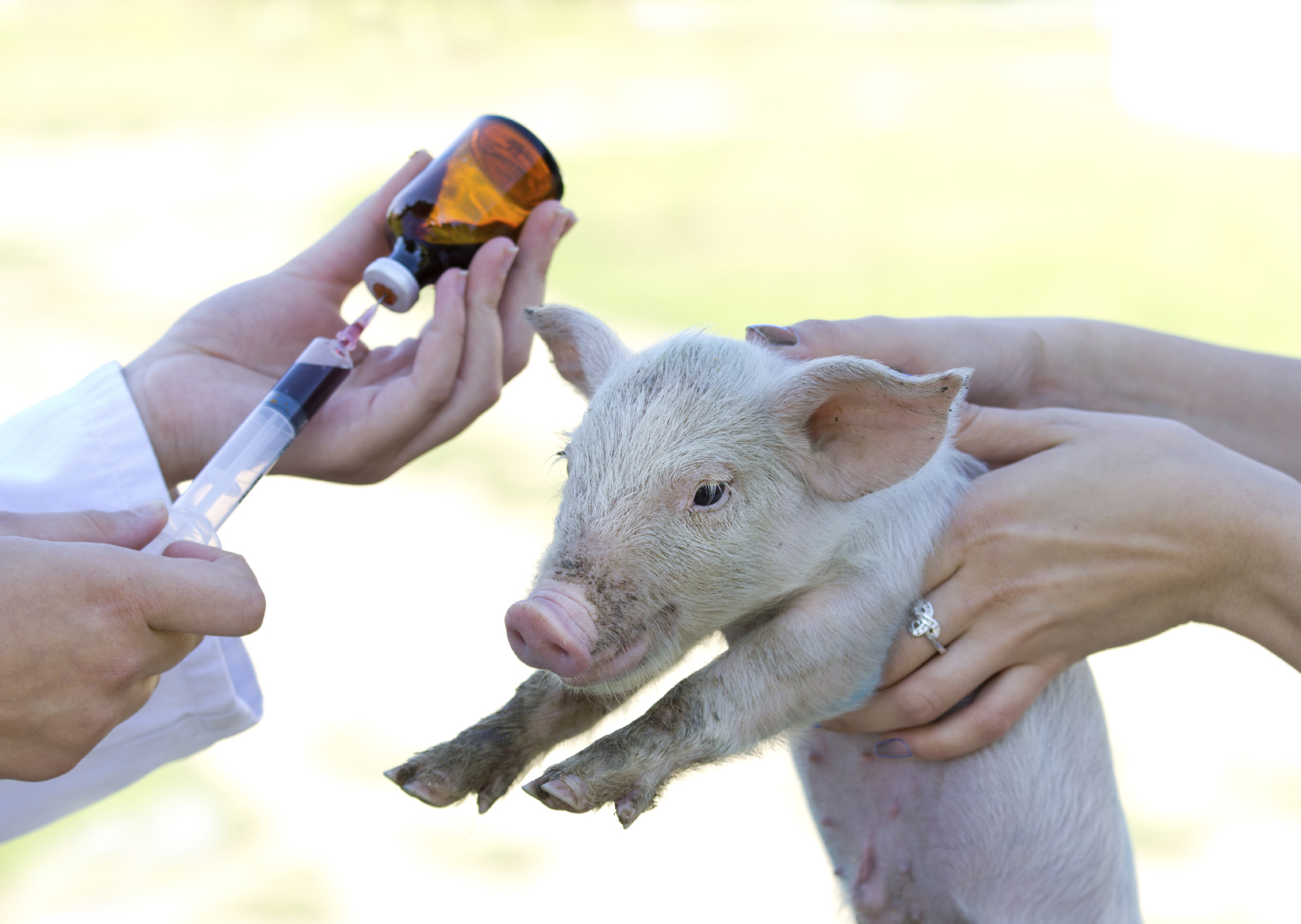
For decades, antibiotics have contributed significantly to improving animal welfare and supporting efficient food production. However, as concerns about antimicrobial resistance continue to grow worldwide, the use of antibiotics for animals has become an important topic among farmers, veterinarians, consumers, and regulatory authorities.
Understanding how antibiotics work, when they should be used, and the risks associated with misuse is essential for anyone involved in animal production or animal care.
What Are Antibiotics for Animals?
Antibiotics are medicines designed to kill bacteria or stop their growth. In veterinary medicine, antibiotics are used to treat bacterial infections affecting livestock, poultry, aquaculture species, and companion animals.
Different antibiotics target different types of bacteria. Because of this, selecting the right antibiotic is essential for successful treatment.
Veterinarians often prescribe antibiotics for animals when bacterial diseases threaten animal health, productivity, or welfare. These medications may be administered through feed, drinking water, injections, or oral treatments depending on the species and condition being treated.
It is important to note that antibiotics are effective against bacterial infections but do not work against viral diseases.
Why Antibiotics Are Important in Animal Health
The proper use of antibiotics for animals offers several benefits that support both animal welfare and agricultural productivity.
Treating Bacterial Infections
One of the primary purposes of antibiotics is to treat bacterial diseases. Animals can suffer from respiratory infections, digestive disorders, skin infections, reproductive diseases, and other health problems caused by harmful bacteria.
Prompt treatment helps reduce suffering and improves recovery rates.
Improving Animal Welfare
Healthy animals experience less stress and discomfort. By controlling bacterial infections, antibiotics help animals recover faster and maintain a better quality of life.
This is especially important in commercial farming systems where disease outbreaks can affect large numbers of animals.
Supporting Food Production
Livestock producers rely on healthy animals to maintain productivity. Diseases can reduce growth rates, milk production, egg production, and reproductive performance.
Responsible use of antibiotics for animals helps farmers manage health challenges and minimize economic losses associated with bacterial infections.
Reducing Disease Spread
When infectious bacterial diseases occur, early treatment can help prevent the spread of infection within a herd or flock.
This contributes to better overall farm health management and protects unaffected animals from becoming infected.
Common Applications of Antibiotics in Livestock
Different livestock sectors use antibiotics for various purposes under veterinary supervision.
Poultry Farming
In poultry production, antibiotics may be used to treat bacterial diseases affecting the respiratory system, digestive tract, or other organs.
Healthy birds are more productive and less likely to experience severe disease outbreaks.
Cattle Production
Cattle may require antibiotics to treat respiratory infections, mastitis, foot infections, or reproductive disorders.
Proper diagnosis and treatment are essential to ensure animal recovery and maintain productivity.
Swine Farming
Pig producers often face bacterial diseases that can impact growth performance and animal welfare.
Veterinarians may recommend specific antibiotics for animals based on laboratory testing and disease diagnosis.
Aquaculture
Fish and shrimp farming can also experience bacterial infections that affect survival and growth.
In aquaculture, antibiotics should only be used when necessary and according to local regulations to minimize environmental impacts and residue concerns.
Risks Associated with Improper Antibiotic Use
While antibiotics offer many benefits, misuse or overuse can create serious challenges for both animal and human health.
Antimicrobial Resistance
One of the greatest concerns surrounding antibiotics for animals is antimicrobial resistance.
When bacteria are repeatedly exposed to antibiotics, some may develop the ability to survive treatment. These resistant bacteria can multiply and spread, making future infections more difficult to treat.
Antimicrobial resistance is recognized as a global public health challenge that affects both veterinary and human medicine.
Drug Residues in Food Products
Improper use of antibiotics can lead to residues remaining in meat, milk, eggs, or seafood products.
Many countries enforce strict regulations regarding antibiotic residues. Producers must follow withdrawal periods to ensure that food products entering the market meet safety standards.
Increased Production Costs
Using antibiotics unnecessarily can increase farm expenses without providing significant health benefits.
Excessive use may also contribute to resistance problems that make future treatments more expensive and less effective.
Environmental Concerns
Antibiotics released into the environment through animal waste can affect microbial communities in soil and water systems.
Responsible management practices help reduce these potential environmental impacts.
Principles of Responsible Antibiotic Use
The key to maximizing benefits while minimizing risks is responsible use.
Use Only When Necessary
Antibiotics should only be used when a bacterial infection has been diagnosed or strongly suspected.
Using antibiotics for viral diseases or other non-bacterial conditions provides no benefit and may contribute to resistance.
Follow Veterinary Guidance
Veterinarians are trained to determine the most appropriate treatment based on the specific disease and animal species.
Farmers and animal owners should always follow professional recommendations regarding dosage, duration, and administration methods.
Complete the Treatment Course
Stopping treatment too early can allow surviving bacteria to multiply again.
Completing the prescribed treatment helps ensure effective disease control and reduces the risk of resistance development.
Observe Withdrawal Periods
Withdrawal periods are the required waiting times between the last antibiotic treatment and the sale of animal products for human consumption.
Following these guidelines helps ensure food safety and regulatory compliance.
Maintain Accurate Records
Good record-keeping helps producers monitor treatments, track disease outbreaks, and comply with industry regulations.
Accurate documentation is an important component of responsible antibiotic stewardship.
Alternatives to Antibiotics for Animals
As the industry seeks sustainable solutions, many producers are exploring alternatives that help reduce reliance on antibiotics.
Vaccination Programs
Vaccines help animals develop immunity against specific diseases before infection occurs.
Effective vaccination programs can significantly reduce disease incidence and lower the need for antibiotic treatments.
Improved Biosecurity
Biosecurity measures help prevent pathogens from entering farms.
These practices may include visitor controls, equipment sanitation, quarantine procedures, and proper animal movement management.
Nutrition and Feed Management
Balanced nutrition supports a strong immune system.
High-quality feed, proper supplementation, and access to clean water contribute to healthier animals that are better able to resist disease.
Probiotics and Beneficial Microorganisms
Probiotics are increasingly used to promote gut health and maintain a balanced microbial population.
These products can improve digestion, support immunity, and help reduce disease pressure in various animal species.
Better Housing Conditions
Proper ventilation, adequate space, clean bedding, and stress reduction can significantly improve animal health.
Healthy living conditions decrease the likelihood of disease outbreaks and reduce dependence on antibiotics for animals.
The Future of Antibiotics for Animals
The future of animal agriculture is moving toward more sustainable and responsible health management practices. Researchers, veterinarians, and producers are working together to develop innovative approaches that maintain animal welfare while reducing unnecessary antibiotic use.
Advances in disease diagnostics are allowing veterinarians to identify pathogens more accurately and select targeted treatments. Improved vaccines, precision farming technologies, probiotics, and immune-support products are also helping producers manage animal health more effectively.
Consumers around the world are increasingly interested in food produced under responsible animal health programs. As a result, farms that adopt best practices for antibiotic stewardship may gain stronger market opportunities and consumer trust.
Responsible use of antibiotics for animals remains an essential component of modern veterinary medicine. When used correctly, these medications protect animal health, support food production, and improve welfare. Combined with preventive health strategies, biosecurity measures, proper nutrition, and veterinary oversight, antibiotics can continue to play a valuable role in sustainable livestock production while helping address global concerns about antimicrobial resistance.