


The Essential Role of Veterinary Drugs in Modern Animal Health and Sustainable Agriculture
The global livestock industry and companion animal sectors have experienced monumental growth over the recent decades. As populations expand and urbanize, the demand for animal-derived proteins—such as meat, milk, and eggs—continues to rise alongside the increasing emotional and financial investment in pets. At the heart of maintaining this vast animal population’s health, productivity, and welfare lies the strategic application of veterinary drugs.

These specialized pharmaceutical products are vital tools used by veterinarians and farmers alike. Far beyond simply treating sick animals, veterinary drugs play a cornerstone role in safeguarding public health, ensuring food security, and driving the economic sustainability of agricultural enterprises. Understanding their classifications, proper therapeutic deployment, and the strict regulatory frameworks governing them is essential for the future of animal husbandry and veterinary science.
1. Classifications and Therapeutic Ranges of Veterinary Drugs
Modern veterinary medicine utilizes a wide array of veterinary drugs tailored to different species, including swine, poultry, cattle, aquaculture, and companion animals. These pharmaceuticals are generally classified based on their therapeutic actions and target pathogens.
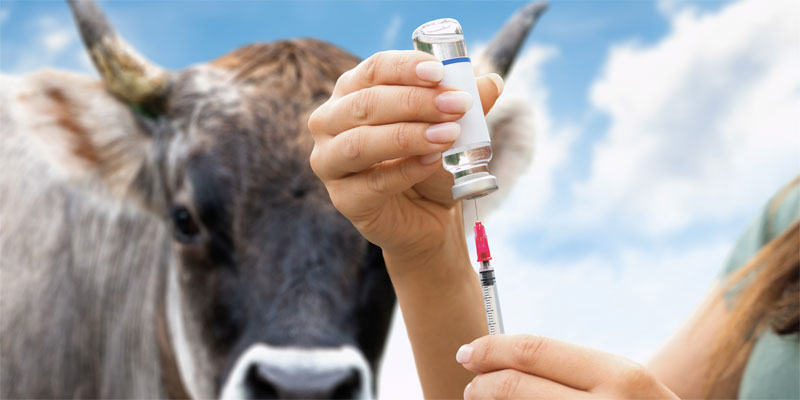
Antimicrobials and Antibiotics
Antimicrobials represent one of the most critical categories of veterinary drugs. They are designed to kill or inhibit the growth of pathogenic bacteria responsible for devastating outbreaks.
-
Broad-Spectrum Antibiotics: Agents such as Tetracyclines, Florfenicol, and Amoxicillin are widely integrated into veterinary drugs to manage severe systemic infections like Respiratory Disease Complexes and Enteritis in both livestock and poultry.
-
Targeted Therapy: These drugs allow for the precise control of bacterial loads in intensive farming environments, protecting thousands of animals from rapidly spreading contagions.
Antiparasitics and Endectocides
Parasitic infestations can cause severe economic losses through reduced feed conversion, anemia, and even death. Veterinary Drugs formulated as antiparasitics are vital for both internal and external parasite control.
-
Anthelmintics: These compounds target internal worms (nematodes, cestodes) in the gastrointestinal and respiratory tracts of livestock.
-
Ectoparasiticides: Topical or oral veterinary drugs that eradicate ticks, mites, and lice, which are frequent vectors for infectious diseases like Lumpy Skin Disease or African Swine Fever.
Vaccines and Immunologicals
While therapeutics cure infections, preventative veterinary drugs like vaccines are the primary defense mechanism against viral and highly contagious bacterial plagues.
-
Herd Immunity: Vaccines trigger an active immune response, preparing the animal’s body to fight off future exposures to pathogens such as Gumboro, Newcastle disease, or Foot-and-Mouth disease.
-
Economic Shield: Mass vaccination protocols reduce the overall dependency on therapeutic antibiotics, optimizing production costs for commercial farms.
2. Optimizing the Efficacy of Veterinary Drugs Through Strategic Administration
The successful deployment of veterinary drugs depends heavily on correct dosing, appropriate administration routes, and understanding the physiological differences between target species.
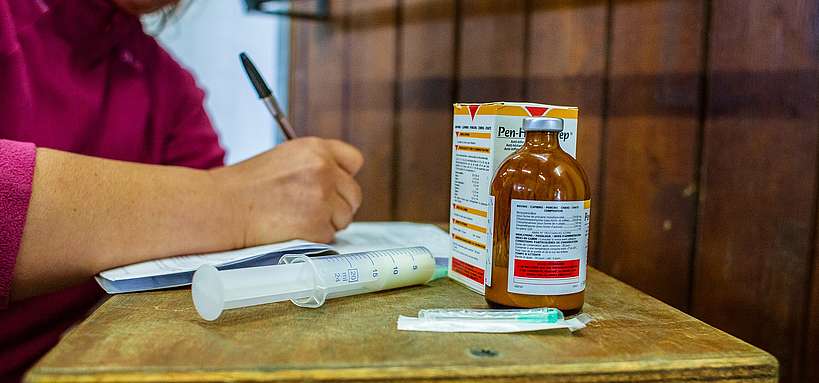
Water-Soluble Powders and Oral Solutions
In large-scale poultry and swine operations, treating individual animals is often logistically impossible. Therefore, water-soluble or liquid oral veterinary drugs are preferred.
-
Mass Treatment: Medications are mixed directly into central drinking water systems or feed lines, ensuring rapid, collective uptake during the early stages of a disease outbreak.
-
Bioavailability: Advanced formulations guarantee that the active pharmaceutical ingredients remain stable in water and are efficiently absorbed through the animal’s digestive tract.
Injectable Preparations
For individual therapy, particularly in cattle or severe cases within swine herds, injectable veterinary drugs provide the fastest therapeutic onset.
-
Precision Dosing: Subcutaneous or intramuscular injections deliver an exact dose of the drug directly into the systemic circulation, bypassing potential gastrointestinal degradation.
-
Long-Acting Formulations: Many modern injectable veterinary drugs are engineered for sustained release, providing therapeutic blood concentrations for several days with a single dose, which significantly minimizes animal handling stress.
3. The Critical Link Between Veterinary Drugs and Public Health
The use of veterinary drugs carries a profound responsibility that extends beyond the farm gate and directly impacts human health and safety.
Managing Withdrawal Periods
One of the fundamental pillars of utilizing veterinary drugs in food-producing animals is strict adherence to the designated withdrawal period.
-
Definition: The withdrawal period is the mandatory timeframe required between the last administration of the drug and the slaughter of the animal or the collection of its milk and eggs.
-
Consumer Safety: Respecting this timeline ensures that any residues of veterinary drugs in food products decline to levels well below the Maximum Residue Limits (MRLs) established by international food safety organizations, preventing toxicological risks to consumers.
Combating Antimicrobial Resistance (AMR)
The global veterinary community is actively shifting toward a more judicious use of critical antimicrobials. Misuse or over-reliance on veterinary drugs can accelerate the development of resistant bacterial strains, which could potentially transfer to humans.
-
Prescription-Only Frameworks: Restricting highly critical human antibiotics from routine agricultural use is becoming standard practice.
-
Biosecurity Synergy: Integrating veterinary drugs with strict biosecurity measures, optimal ventilation, and high-quality nutrition drastically reduces the frequency of therapeutic interventions needed.
4. Supportive Therapies: Enhancing the Power of Veterinary Drugs
To achieve the best clinical outcomes, primary veterinary drugs (like antibiotics) are frequently paired with supportive therapies that accelerate the physiological recovery of the animal.
Nutritional Supplements and Electrolytes
When animals are undergoing treatment with intensive veterinary drugs, their metabolic systems are under heavy strain.
-
Stress Alleviation: Rehydrating compounds, such as Glucose-Electrolyte mixtures combined with high doses of Vitamin C, help stabilize animals suffering from dehydration due to enteritis or severe heat stress during summer.
-
Immune Boosting: Vitamins and trace minerals (such as Vitamin E and Selenium) act as powerful antioxidants, working in tandem with therapeutic veterinary drugs to repair cellular tissue and restore natural immune defenses.
Hepatic and Renal Protectants
The liver and kidneys are the primary organs responsible for metabolizing and excreting veterinary drugs.
-
Detoxification Support: Administering herbal or amino-acid-based liver protectants post-treatment helps clear drug residues from the animal’s system.
-
Appetite Restoration: A supported metabolic system allows livestock to quickly regain their appetite, speeding up their return to optimal growth rates and body weight parameters.
5. Future Trends in the Production and Regulation of Veterinary Drugs
The veterinary pharmaceutical sector is undergoing a rapid evolution driven by technological innovation and stricter international standardizations.
Shift Toward Green and Organic Alternatives
With increasing consumer pressure for antibiotic-free meat, research into alternative veterinary drugs is booming.
-
Phytogenics and Essential Oils: Plant-derived compounds are being formulated into commercial products showing strong antibacterial and anti-inflammatory properties.
-
Probiotics and Prebiotics: Microencapsulated spore-forming probiotics (such as Bacillus species) are widely utilized to reinforce gut health, functioning as highly effective preventative alternatives to traditional chemical veterinary drugs.
Advanced Manufacturing Compliance
The manufacturing landscape for veterinary drugs is highly regulated to guarantee product safety, purity, and consistency.
-
GMP-WHO Standards: Leading veterinary pharmaceutical companies strictly operate within World Health Organization Good Manufacturing Practices (GMP-WHO). This ensures that every batch of veterinary drugs—from raw material sourcing to final packaging—undergoes rigorous quality control, minimizing contamination risks and maximizing field efficacy.