


GUIDELINES FOR EFFECTIVE LIVESTOCK AND POULTRY FARMING DURING THE RAINY SEASON TO PREVENT DISEASES
The rainy season is a period when the farming environment is highly susceptible to the growth of bacteria, mold, and various dangerous diseases affecting livestock and poultry. High humidity, wet barns, and unstable weather conditions can directly impact animal health, reduce productivity, and increase the risk of losses for farmers. Therefore, livestock and poultry farming during the rainy season requires stricter management to minimize disease risks.
To keep animals healthy, farmers should pay attention to regular cleaning of barns, ensuring dry and well-ventilated housing conditions, improving nutrition, and monitoring animal health periodically. Proper application of these measures in rainy season livestock farming helps improve immunity, reduce disease outbreaks, and limit economic losses.
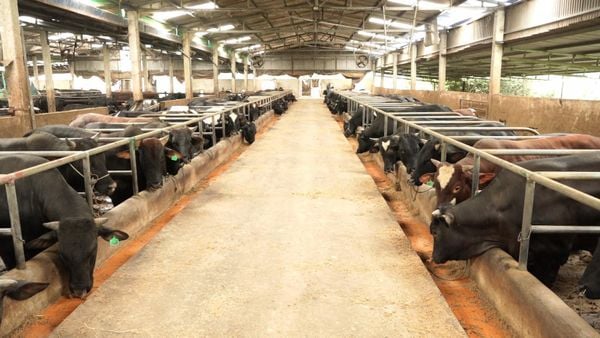
1. Keep Animal Shelters Dry and Well-Ventilated
Wet and humid barns create favorable conditions for bacteria, viruses, and mold to grow rapidly, increasing the risk of disease outbreaks during the rainy season. Therefore, maintaining clean and dry housing conditions is essential.
- Properly cover barns to prevent rain and wind exposure
- Design an effective drainage system
- Avoid waterlogging or muddy floors in the barn
- Ensure good air circulation while maintaining warmth when necessary
Keeping barns dry and well-ventilated helps reduce respiratory, digestive, and skin diseases, while improving overall resistance and productivity.
2. Regular Cleaning and Disinfection of Barns
In rainy season farming conditions, high humidity promotes rapid disease development and transmission. Therefore, hygiene management is crucial.
- Collect manure and waste daily
- Disinfect barns regularly
- Clean feeding and drinking areas
- Maintain a clean environment to reduce flies and insects
These measures significantly reduce disease outbreaks and improve livestock health.

3. Replace Wet Bedding Materials
Materials such as rice husks, straw, or sawdust must be kept dry and clean.
Farmers should:
- Replace bedding immediately when it becomes wet or smelly
- Prevent animals from lying on cold or wet floors
- Add fresh bedding regularly during prolonged rainy days
This helps prevent skin diseases, hoof problems, and respiratory illnesses.
4. Prevent Animals from Getting Wet in the Rain
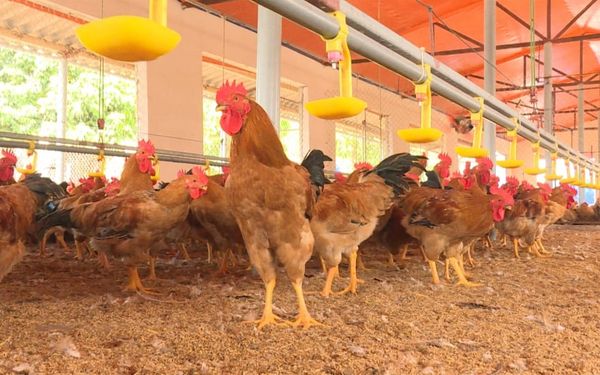
Young animals and poultry are especially vulnerable to cold and wet conditions during the rainy season.
To protect them:
- Properly cover shelters during heavy rain
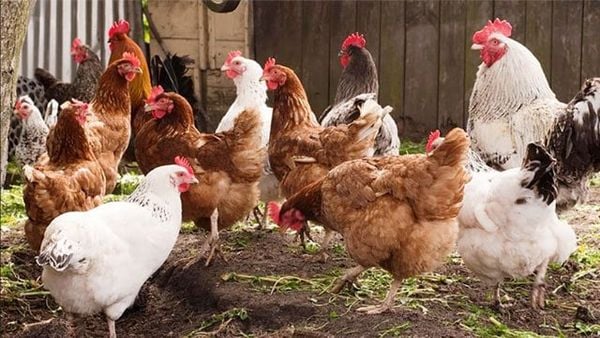
- Avoid free-ranging poultry during bad weather
- Use heating lamps or provide warmth for young animals when needed
Preventing cold stress helps improve immunity and reduces disease risks.
5. Ensure Clean Feed and Drinking Water
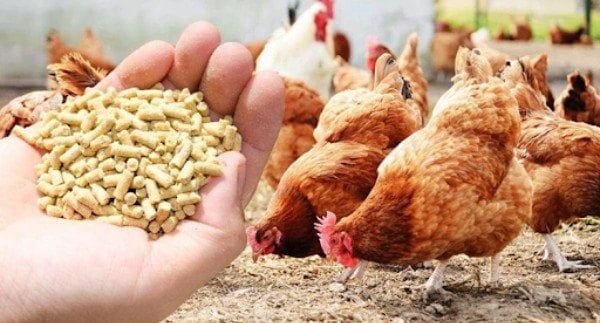
In the rainy season, high humidity easily causes feed to spoil or become moldy.
Farmers should:
- Store feed in dry places
- Do not use moldy or spoiled feed
- Change drinking water regularly
- Clean feeders and drinkers daily
Clean feed and water help animals stay healthy and reduce intestinal diseases.
6. Monitor Animal Health Regularly
Early detection of abnormal signs helps control diseases and reduce losses.
Signs to watch for include:
- Loss of appetite, lethargy
- Coughing or difficulty breathing
- Diarrhea
- Fever or reduced movement
During the rainy season, farmers should closely monitor livestock health and apply preventive measures such as proper sanitation, good nutrition, clean water supply, and vaccination according to recommendations.
Proactive Disease Prevention – Improving Efficiency in Rainy Season Farming
The rainy season poses many risks to livestock and poultry. Proactive hygiene management, proper care, and regular health monitoring help reduce disease outbreaks, minimize losses, and improve farming efficiency.