


PRRS IN PIGS: SIGNS AND EFFECTIVE PREVENTION
Livestock diseases are becoming one of the biggest concerns for farmers today. Besides African Swine Fever (ASF), Porcine Reproductive and Respiratory Syndrome (PRRS), commonly known as “Blue Ear Disease,”
continues to be under red alert by veterinary authorities due to its rapid transmission and severe economic impact. Today, PRRS in pigs is considered one of the most serious threats to the swine industry worldwide.
Without early detection and proper preventive measures, PRRS in pigs can cause massive losses and potentially wipe out entire pig farms within just a few days of an outbreak.
1. What Is PRRS (Blue Ear Disease) in Pigs?
PRRS in pigs stands for Porcine Reproductive and Respiratory Syndrome. It is a highly contagious viral disease caused by a virus from the Arteriviridae family. The virus directly attacks three critical systems in pigs:
Respiratory System
PRRS in pigs causes severe pneumonia, coughing, and breathing difficulties.
Reproductive System
The disease leads to abortions and stillbirths in sows, making PRRS in pigs a major reproductive concern for pig farms.
Immune System
The virus destroys macrophage cells, severely weakening the pig’s natural immune defenses and increasing the severity of PRRS in pigs outbreaks.
Why Is It Called “Blue Ear Disease”?
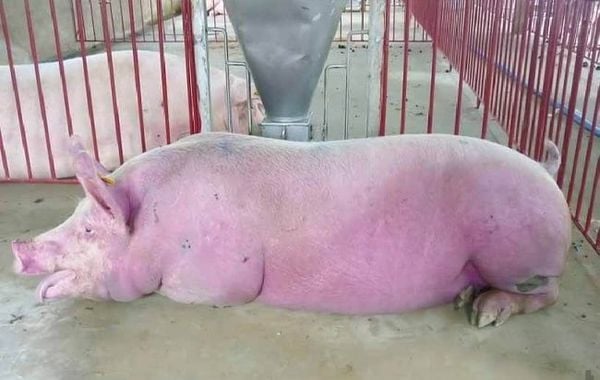
In severe cases, PRRS in pigs disrupts blood circulation and oxygen supply, causing hemorrhage and poor oxygenation in tissues. As a result, pigs’ ears may turn purple, bluish, or dark blue.
2. Why Is PRRS Becoming More Dangerous and Difficult to Control?
Many experienced farmers admit that PRRS outbreaks today are far more complicated and difficult to manage than before due to several major reasons:
Constant Virus Mutation
PRRS virus strains, especially highly pathogenic strains, continuously mutate genetically. This reduces the effectiveness of some conventional vaccines.
Increased Risk of Secondary Infections
Once PRRS weakens the immune system, pigs become highly vulnerable to co-infections such as:
- African Swine Fever (ASF)
- Pleuropneumonia (APP)
- Pasteurellosis
- Salmonellosis
Poor Farm Management Practices
Rapid restocking, purchasing pigs from unverified sources, and lack of quarantine procedures are major factors contributing to widespread outbreaks.
3. Early Signs of PRRS in Pigs Farmers Must Recognize
Early detection is considered the “golden key” to minimizing losses and preventing disease spread.
3.1 Symptoms in Growing Pigs and Piglets
Persistent High Fever
Pigs may develop a fever ranging from 40°C to 42°C. They often become lethargic and huddle together in corners regardless of weather conditions.
Respiratory Problems
- Rapid breathing
- Abdominal breathing
- Severe coughing
- Thick nasal discharge
Skin and Ear Discoloration
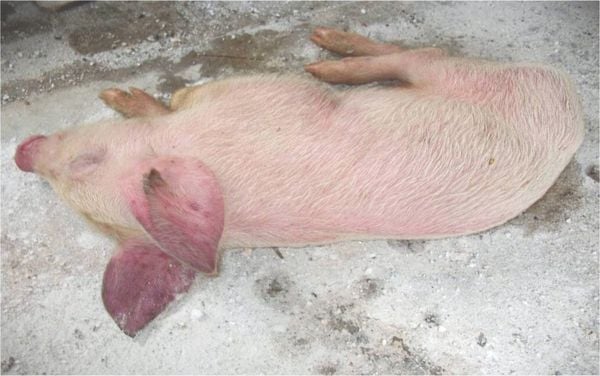
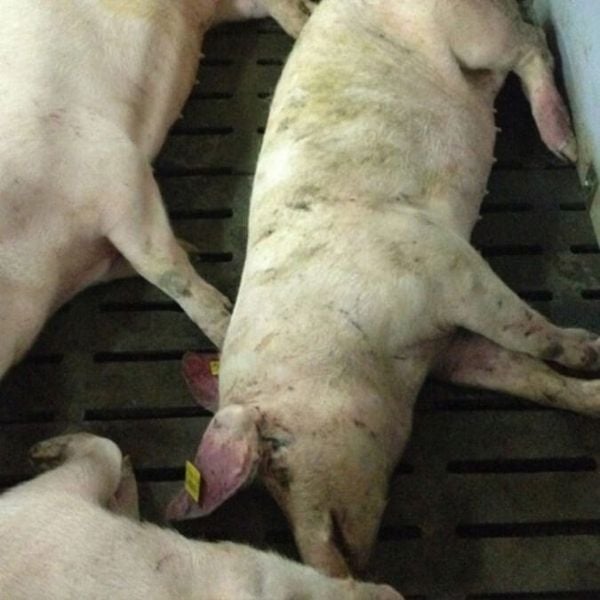
- Ears become bright red before turning bluish-purple
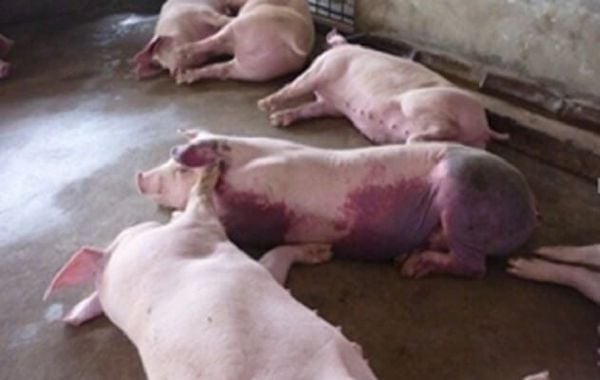
- Redness across the skin
Other Symptoms
- Loss of appetite
- Eye discharge and crust formation
- Weakness and inactivity
In piglets, the disease progresses extremely fast and can cause high mortality within days.
3.2 Symptoms in Sows
PRRS causes the greatest economic damage in breeding sows, including:
- Late-term abortions (usually between days 100–112 of pregnancy)
- Premature births
- Weak or malformed piglets
- Stillbirths and mummified fetuses
- Reduced milk production
- Mastitis
- Lower reproductive performance in future litters
4. How PRRS Spreads and Why Outbreaks Occur
Main Transmission Routes
PRRS virus spreads rapidly through multiple pathways:
Direct Contact
Between infected pigs, carrier pigs, and healthy pigs.
Indirect Transmission
Through:
- Airborne particles (short distances)
- Contaminated water
- Infected feed
Mechanical Transmission
Via:
- Farm equipment
- Feed delivery trucks
- Pig transport vehicles
- Workers’ clothing and footwear
- Traders and visitors entering farms
Environmental Factors That Promote Outbreaks
Poor Farm Hygiene
Dirty and humid environments with high toxic gas levels (NH3, H2S) create ideal conditions for virus survival.
Unstable Weather Conditions
Sudden weather changes, alternating heat and rain, can stress pigs and significantly weaken their immune systems.
5. The Most Effective PRRS Prevention Measures Today
Since there is currently no specific cure for PRRS virus, the principle of “Prevention Is Better Than Cure” is essential for farm survival.
Vaccinate Properly
Vaccination is the most important protective barrier. Farmers should follow proper vaccination schedules for:
- Replacement gilts
- Breeding sows
- Piglets
Always consult local veterinary authorities for updated vaccination guidelines.
Apply Strict Biosecurity Measures
- Disinfect farms regularly (2–3 times per week)
- Keep barns dry, clean, and well-ventilated
- Properly manage manure and wastewater systems
Control Farm Access
Limit unnecessary visitors entering pig housing areas.
All vehicles entering the farm should:
- Be thoroughly cleaned
- Be disinfected before entry
Strengthen the Immune System of Pigs
Farmers should supplement:
- Vitamin C
- Electrolytes
- Probiotics and digestive enzymes
This helps pigs better resist stress and disease challenges.
Strict Pig Source Management
Never purchase cheap pigs from unknown sources.
Newly introduced pigs must:
- Have clear health documentation
- Be quarantined for at least 21–30 days before joining the main herd