


Caring for Cattle During Hot Weather and 1 Important Notes
Hot weather is a time when cattle and buffalo are prone to heat stress, reducing their resistance and significantly affecting their growth and reproduction. Without proper care, these animals may stop eating, lose weight, and become susceptible to digestive, respiratory, or heatstroke diseases. Therefore, farmers need to proactively implement appropriate care measures to protect their livestock during harsh weather conditions.
Why is it important to care for cattle during hot weather?
High ambient temperatures make it difficult for cattle to dissipate heat. Prolonged heat causes animals to breathe rapidly, drink excessive amounts of water, eat less, and become fatigued. This directly affects weight gain, meat quality, and overall farming efficiency.
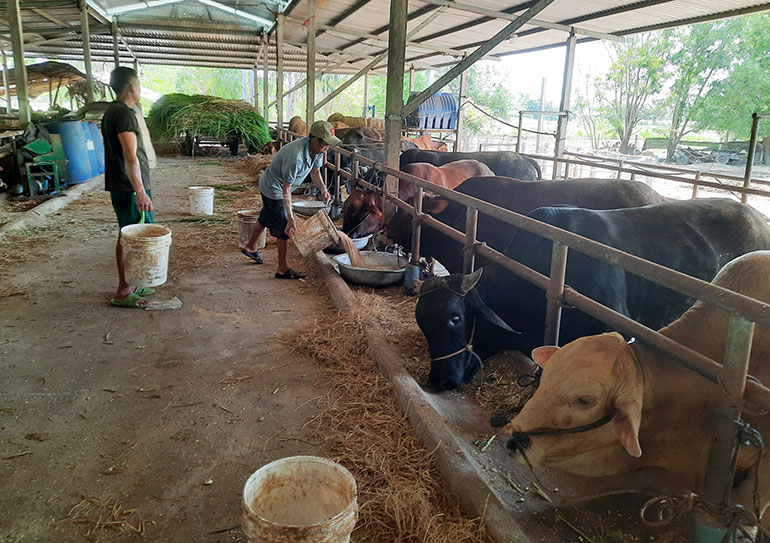
For dairy cows, hot weather significantly reduces milk production. For breeding cattle, high temperatures can decrease the success rate of mating and affect the health of offspring.
Therefore, proper care for cattle during hot weather is crucial to minimize economic losses for farmers.
Livestock shelters need to be well-ventilated and cool.
One of the most important factors in caring for cattle during hot weather is improving the living environment in the barn.
Farmers should:
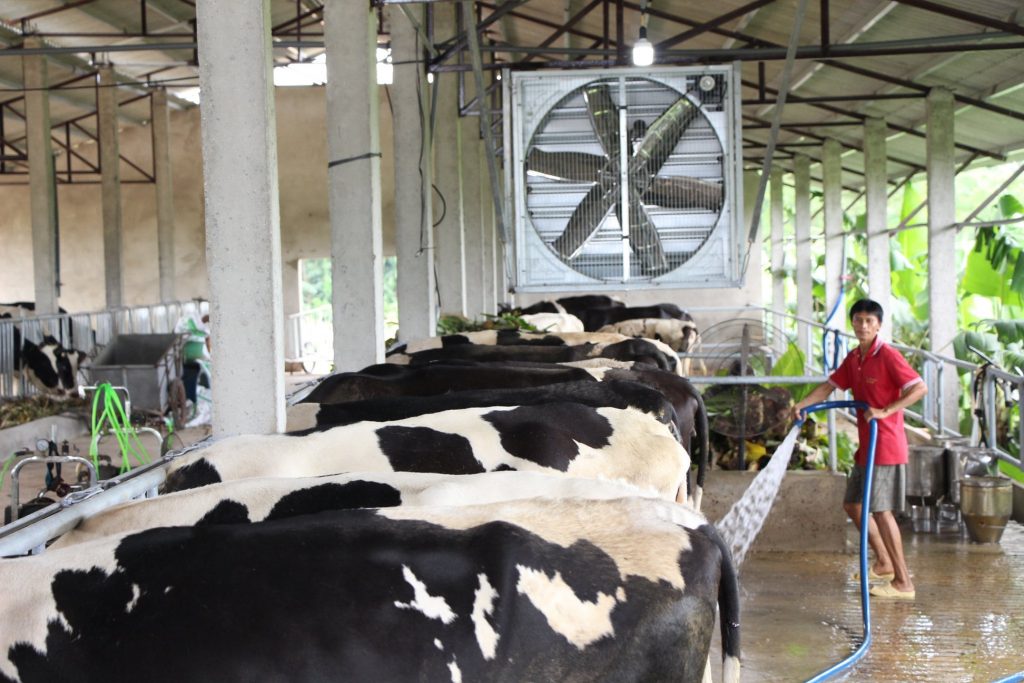
- Install heat-resistant roofing using cool corrugated iron, leaves, or shade netting.
- Keep the barn well-ventilated, with fans or a misting system if conditions permit.
- Clean the barn regularly to reduce odors and toxic gases.
- Avoid overcrowding as this easily increases the temperature inside the barn.
In addition, plant more trees around the livestock area to provide shade and reduce ambient temperature.
Providing sufficient clean water for cattle and buffaloes
During hot weather, the water needs of cattle and buffaloes increase significantly. Lack of water will cause the animals to tire quickly, reduce their appetite, and easily suffer from heatstroke.
Farmers need to:

Prepare a source of clean, cool water and change it frequently.
Place drinking troughs in easily accessible locations.
Give the animals water several times a day.
Add electrolytes or vitamins to boost their immunity.
Especially, avoid using dirty or hot water as this can easily lead to intestinal diseases.
Adjusting Feeding Rations Appropriately
In hot weather, cattle and buffaloes usually eat less than usual. Therefore, it is necessary to adjust their diet to ensure they still have enough energy and stay healthy.
Some points to note include:
Increase the amount of green fodder such as fresh grass and green vegetables.
Limit spoiled or moldy feed.
Divide meals into smaller portions throughout the day.
Feed them early in the morning or late in the afternoon to make them more palatable.
Supplement with essential minerals and vitamins.
A balanced diet will help the livestock maintain good health throughout the summer.
Limit grazing during peak hours of heat
From approximately 10 AM to 4 PM, outdoor temperatures are very high. Grazing during this time can easily cause heatstroke or exhaustion in cattle.
Farmers should:
Graze in the early morning or late afternoon.
Allow livestock to rest in the shade or under sheltered areas.
Avoid overworking livestock in hot weather.
For draft buffalo, ensure adequate rest to prevent exhaustion and heatstroke.
Proactive Disease Prevention for Cattle and Buffaloes During Hot Weather
Hot weather creates favorable conditions for bacteria, viruses, and parasites to thrive. Therefore, disease prevention needs to be given more attention.
Farmers should:
Vaccinate fully according to veterinary guidelines.
Deworm regularly.
Monitor the health of the herd daily.
Immediately isolate animals showing signs of illness.
If cattle or buffaloes stop eating, have a high fever, rapid breathing, or abnormal gait, contact a veterinarian for timely treatment.
Conclusion
Proper care of cattle and buffaloes during hot weather will help keep them healthy, limit disease outbreaks, and maintain stable farming efficiency. Farmers need to pay attention to everything from housing, water sources, and feed to disease prevention to protect their herds from harsh weather.
Proactive prevention against hot weather not only helps reduce losses but also contributes to increased productivity and profitability in cattle and buffalo farming.